Estimate costs from the right figures
Use your model’s kWh figure and electricity rate to estimate running costs, then compare the estimate with measured use.
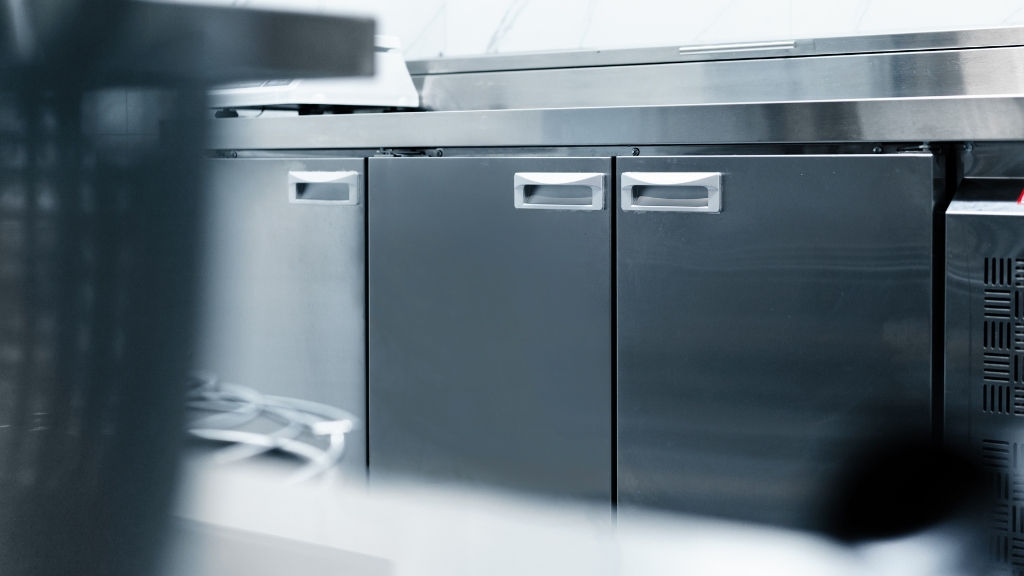
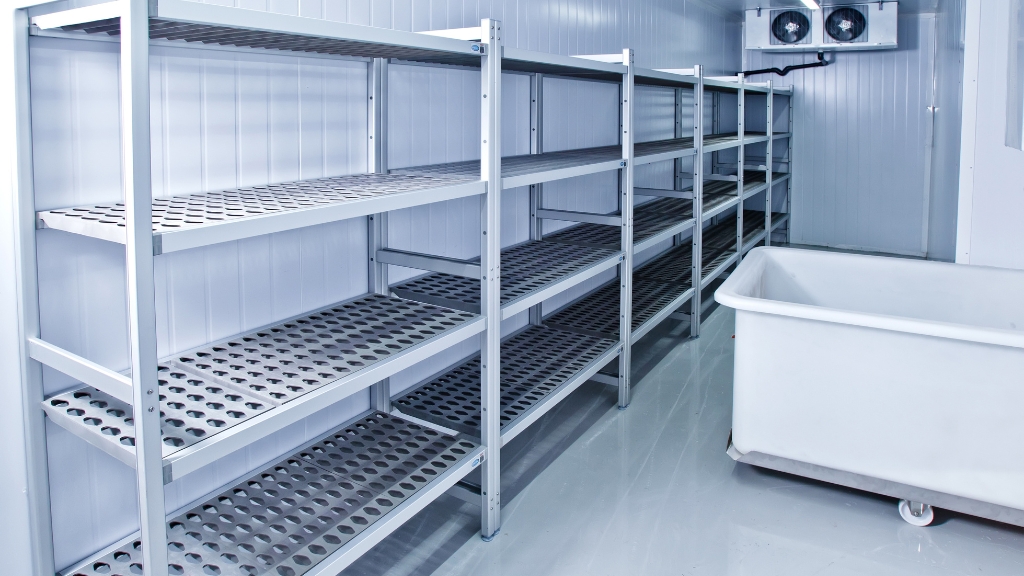
How much energy does a commercial refrigerator use? There is no dependable single figure. A small under-counter cabinet, a large display fridge and a walk-in cool room have different capacities and duty cycles. Start with the model’s published energy consumption in kilowatt-hours (kWh) per 24 hours or per year, then compare that figure with your actual meter data.
Find your refrigerator’s energy figure
Check the model number on the data plate. Look for the manufacturer’s energy information and, where the model is covered, its listing in the Australian Energy Rating registration database. The declared consumption is measured under specified test conditions. It is a useful comparison between models, but your site’s ambient temperature, door openings, loading and maintenance can make actual use different.
Do not confuse the rated electrical power in watts with energy consumed over a day. A 500 W nameplate does not mean the unit draws 500 W continuously. The compressor and fans cycle or vary output. A plug-in energy meter can help with some smaller appliances if it is correctly rated for the equipment; larger or hard-wired systems should be measured by a qualified electrician or refrigeration technician.
Calculate running cost from kWh
Use the figures for your own model and electricity plan:
- Annual energy: kWh per 24 hours × 365.
- Annual energy cost: annual kWh × the relevant electricity rate in dollars per kWh.
For an illustration only, a cabinet using 5 kWh per day would use 1,825 kWh per year. At an assumed rate of $0.30 per kWh, that is $547.50 per year for energy. Your tariff, demand charges, seasonal conditions and real-world consumption may change the bill. Confirm the applicable rate on your business electricity plan.
Why actual consumption varies
Cabinet size and type: a display cabinet, preparation counter, freezer and cool room are designed for different loads and temperatures. Compare models serving the same job, not just units with similar outside dimensions.
Location and airflow: high room temperature, direct sun and restricted ventilation can increase the cooling load. Follow the manufacturer’s clearance and installation instructions.
Doors and stock: frequent opening lets warm air in. Overloading can obstruct airflow, while loading large amounts of warm product adds work for the system. Good operating practices matter alongside equipment choice.
Condition: damaged door seals, dirty condensers, iced evaporators or incorrect controls can affect efficiency and temperature control. A higher bill alone does not diagnose the fault; check temperatures and have abnormal behaviour inspected.
How to assess a high power bill
- Identify each refrigeration unit and record its model, age, operating temperature and available energy data.
- Compare electricity bills and meter readings across equivalent periods, allowing for weather, trading hours and other equipment.
- Check door seals, condenser access, airflow and temperature records without opening electrical panels or altering refrigerant components.
- If a unit runs unusually long, struggles to hold temperature, ices up or needs repeated resets, arrange a qualified inspection.
For food storage, power savings must not compromise safe temperatures. Food Standards Australia New Zealand says potentially hazardous food held cold generally needs to be kept at 5°C or colder unless a validated alternative applies. Monitor the food and cabinet temperatures rather than assuming a lower thermostat setting solves a problem.
Repair or replace?
Compare the cost of repair with the purchase price, expected energy use, capacity and service life of a suitable replacement. A technician can determine whether a seal, control or other fault is causing unnecessary operation. Replacement may make sense when equipment is unreliable, unsuitable for the load or costly to repair, but a new unit’s quoted energy figure should be compared with the existing unit’s measured use.
Cool-Time installs, repairs and maintains commercial refrigeration in Adelaide. See our commercial refrigeration services or contact Cool-Time if you want help assessing a unit and its operating conditions.
Frequently asked questions
How many kWh does a commercial fridge use per day?
It depends on the model and conditions. Use the manufacturer’s kWh-per-day figure as a starting point and compare it with measured use where possible. Avoid using a generic average to budget for a specific cabinet.
Does turning the thermostat colder save energy?
Usually no. The equipment must maintain the required storage temperature; setting it colder than needed can add cooling load. Follow the manufacturer’s instructions and food-safety requirements.
Can maintenance reduce energy use?
It can help a unit operate as designed, especially when blocked airflow, dirty components or damaged seals are contributing to poor performance. The size of any saving depends on the fault and operating conditions, so avoid assuming a guaranteed percentage.
Want help assessing a refrigeration unit?
Share the model and the problem you are seeing. Cool-Time can inspect the unit and discuss a practical next step.