Reverse Cycle Heating and Cooling Explained
What is reverse cycle air conditioning, and why is it everywhere in Adelaide? In short, one system cools your space through the peak of summer and heats it through winter. Below, we explain how the technology works, why it is so efficient, and how it compares with the alternatives.
Heating + cooling
Adelaide, South Australia
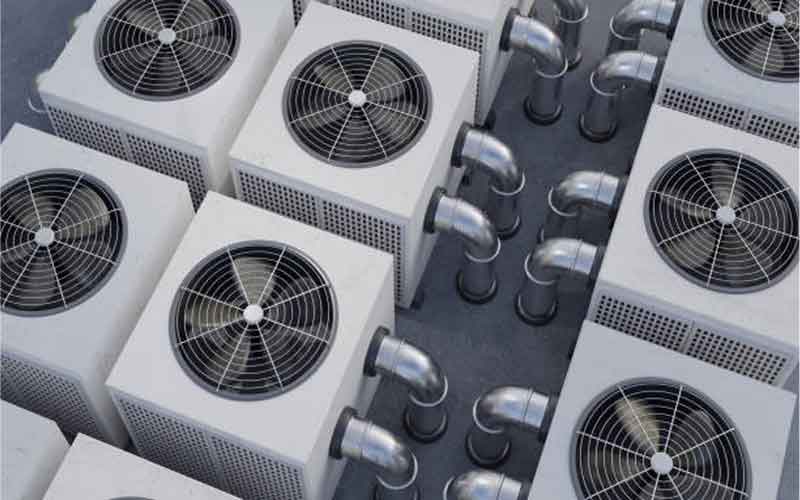
If you have been researching heating and cooling for a home or business in Adelaide, you will have seen the term on almost every brochure and quote. So, what is reverse cycle air conditioning?
In plain terms, it is a single system that cools your space in summer and heats it in winter by moving heat rather than generating it. That is also why it is one of the most energy efficient ways to keep a building comfortable all year.
In this guide we explain how the technology actually works, the benefits that have made it the default choice across South Australia, what it means for your energy bills, and how it stacks up against evaporative cooling, gas heating and plug-in electric heaters.
What is Reverse Cycle Air Conditioning and How Does the Technology Work?
Reverse cycle systems are heat pumps. Instead of creating heat the way a gas burner or an electric element does, they move existing heat from one place to another using a refrigerant circuit, a compressor and a reversing valve.
The simplest answer to what is reverse cycle air conditioning is a refrigeration system that can run its cycle in both directions. In summer it collects heat from inside your building and releases it outdoors.
In winter, a reversing valve flips the direction of the refrigerant flow. The same components then extract heat energy from the outside air, concentrate it, and release it indoors as warmth. Even on a cold Adelaide morning, the outside air still contains plenty of heat energy for the system to harvest.
Cooling Mode
The indoor coil absorbs heat and moisture from the air inside the room.
The compressor pumps the hot refrigerant out to the unit outside.
The outdoor coil releases that heat outside, and cool, dry air circulates back into the room.
One reversing valve flips the cycle
Heating Mode
The outdoor coil extracts heat energy from the outside air, even on cold mornings.
The compressor concentrates that heat, raising the refrigerant temperature.
The indoor coil releases the heat, and warm air flows gently into the room.
The same principle scales from a single wall-mounted split system all the way up to ducted systems, multi-head units and the large VRV/VRF and rooftop packaged systems used in offices, hospitality venues and retail buildings. Reverse cycle models are available for both residential and commercial applications; confirm heating capability when comparing equipment.
Benefits of Reverse Cycle Air Conditioning Systems
There is a reason reverse cycle air conditioning has become the standard recommendation for most Adelaide properties. It solves several problems with one piece of equipment.
One Reverse Cycle Air Conditioning System
You buy, install and maintain a single system instead of separate heating and cooling equipment. That means one set of installation costs, one service schedule and one controller on the wall.
Reverse Cycle Air Conditioning Costs Less to Run
Because it moves heat rather than creating it, the system multiplies every unit of electricity it draws. As a result, running costs sit at a fraction of what plug-in electric heaters cost.
Cleaner, Drier Air
Built-in filters capture dust and airborne particles as air circulates, and the cooling cycle dehumidifies as it runs. Filtration performance depends on the filter type and maintenance; a standard air conditioner is not a substitute for specialist air purification.
Precise Control and Zoning
Thermostat-driven temperature control holds your set point steadily, and ducted or multi-head systems can be zoned so you only condition the rooms that are actually in use.
Safe, All-Electric Comfort
There are no flames, no unflued gas emissions and no scorching surfaces, and no gas connection is required. That suits all-electric homes and modern commercial fit-outs alike.
Solar Friendly Value
Reverse cycle pairs naturally with rooftop solar, which can reduce grid electricity use when solar generation matches demand. Savings depend on system size, usage and your electricity tariff.
Energy Efficiency and Year-Round Comfort
Any complete answer to what is reverse cycle air conditioning has to cover efficiency, because that is where these systems earn their reputation.
A plug-in electric heater can only ever return the energy it draws, converting each unit of electricity directly into an equal amount of warmth. A reverse cycle system moves heat instead, which is far more efficient.
For every unit of electricity it draws, it delivers several times as much heating or cooling, depending on the model and conditions. In practical terms, it multiplies the value of the power you pay for rather than simply converting it.
A reverse cycle system delivers several times more heating or cooling than the electricity it draws.
A plug-in electric heater only ever returns the same amount of energy it consumes.
Refrigerated cooling in summer and heat pump warmth in winter, all from a single system.
Adelaide’s climate suits the technology particularly well. Summers bring long runs of extreme heat, where refrigerated cooling performs reliably regardless of humidity. Winters are cool but mild by heat pump standards, so modern systems heat efficiently right through the season.
Higher efficiency models may cost more upfront. Whether the energy savings recover that extra cost depends on the price difference, operating hours, tariffs and installation. In addition, government incentives such as the South Australian Retailer Energy Productivity Scheme may reduce the cost of an eligible high efficiency system. Confirm current eligibility, approved equipment and provider availability before ordering; an incentive is not guaranteed.
Reviewed 22 September 2026. Further reading: Australian Government heating and cooling guidance and South Australian REPS eligibility and offers. Compare model specifications and site-specific quotes before deciding.
How Reverse Cycle Air Conditioning Compares to Other Heating and Cooling Systems
So far, we have answered what is reverse cycle air conditioning and explained why it is efficient. Next comes the obvious question. How does it stack up against the main alternatives Adelaide property owners consider?
| Reverse Cycle | Cooling-Only AC | Evaporative Cooling | Gas Heating | Portable Electric Heater | |
|---|---|---|---|---|---|
| Cools in summer | Yes | Yes | Yes, struggles on humid days | No | No |
| Heats in winter | Yes | No | No | Yes | Yes, one small area only |
| Running cost | Low | Low to moderate | Very low, cooling only | Tariff dependent | High |
| Air quality | Filters and dehumidifies | Filters and dehumidifies | Adds moisture, needs open windows | Flued or unflued emissions | No filtration |
| Best suited to | Year-round comfort, homes and businesses | Cooling-only spaces such as server rooms | Dry-heat cooling on a tight budget | Properties with existing gas ducting | Occasional spot heating |
Evaporative cooling remains cheap to run, but it only cools. It performs poorly once humidity rises, and it needs open windows to work. Gas heating warms well but does nothing in summer. Compare current gas usage and supply charges with your electricity tariff before choosing a system.
Portable electric heaters are inexpensive to buy and expensive to run. In contrast, reverse cycle covers the whole year with one efficient system. The best choice depends on the building, climate, operating hours and total installed and running costs.
Planning a commercial project? Most of the ducted, split, VRV/VRF and rooftop packaged systems Cool-Time designs and installs for Adelaide offices, hospitality venues, retail stores and warehouses are reverse cycle. See our commercial air conditioning Adelaide services for installation, repairs and preventative maintenance options.
Frequently Asked Questions