How does commercial refrigeration work? In simple terms, it moves heat out of your cool room, display fridge or freezer and releases it outside. Rather than making cold, the system pumps heat away, and it does so around the clock. Once you understand the basic cycle, it becomes much easier to spot problems early and talk to your technician with confidence.
How Does Commercial Refrigeration Work? The Short Answer
Commercial refrigeration works by circulating a refrigerant through four main parts: the evaporator, the compressor, the condenser and the expansion valve. The refrigerant absorbs heat inside the cabinet or cool room. It then carries that heat outside and releases it. As a result, the space stays at a steady, safe temperature.
Every commercial system, from an under-bench fridge to a walk-in freezer, uses this same vapour-compression cycle. The main difference is size. For example, a supermarket multi-deck needs far more capacity than a café bar fridge. Its components are therefore larger, and they often sit in a plant room or on the roof.
The refrigerant itself is the key. It boils at a very low temperature, so it can soak up heat even from a cold space. After the compressor squeezes it, the gas becomes hot enough to give that heat away to the warmer outside air.
How Commercial Refrigeration Systems Work, Stage by Stage
To see how a commercial refrigeration system does its work in practice, follow the refrigerant on one full lap of the cycle.
1. The Evaporator Absorbs Heat
Inside the cool room or cabinet, cold liquid refrigerant flows through the evaporator coil. Fans blow warm air from the space across this coil. The refrigerant absorbs that heat and boils into a low-pressure gas. Meanwhile, the air leaving the coil is colder, so the temperature inside drops.
2. The Compressor Raises the Pressure
Next, the compressor draws in the gas and squeezes it. This raises both its pressure and its temperature. Technicians often call the compressor the heart of the system, because it keeps the refrigerant moving. It is also the part that uses the most power.
3. The Condenser Releases Heat
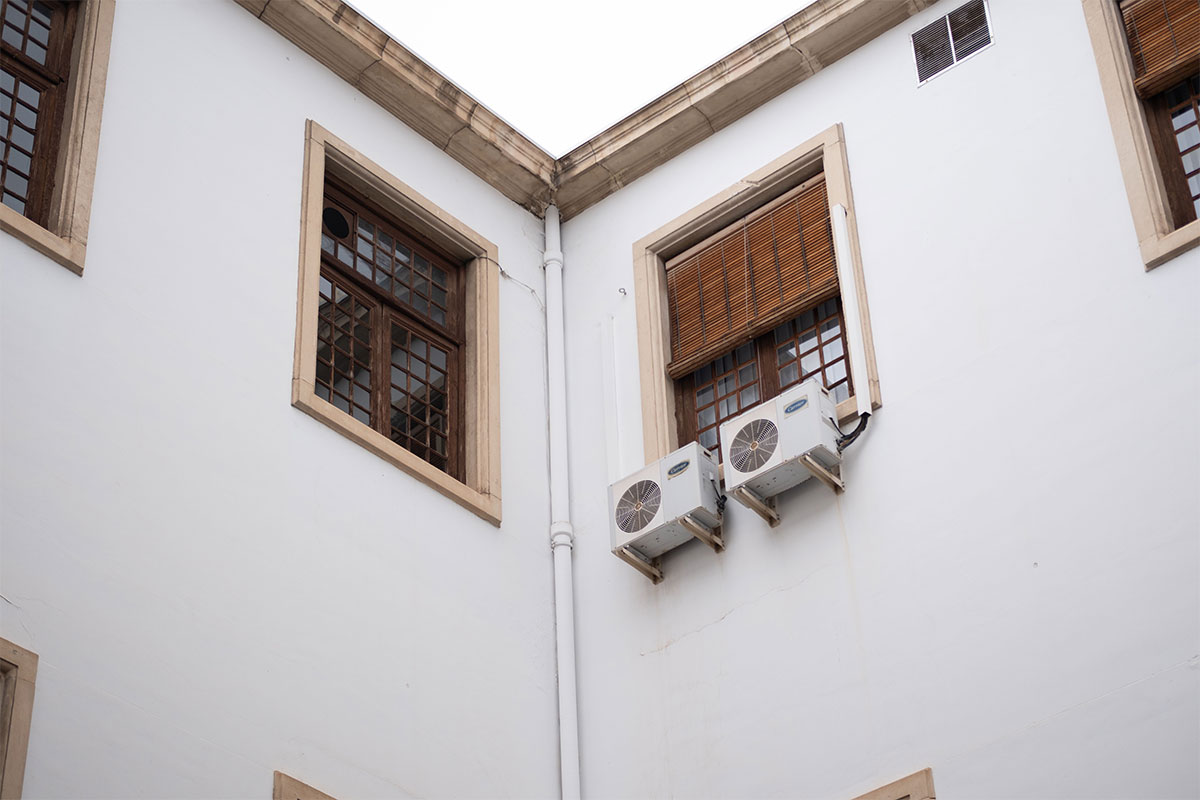
The hot gas then travels to the condenser, which usually sits outside or on top of the unit. Here, fans push outside air across the condenser coil. Because the refrigerant is now hotter than that air, it gives up its heat and turns back into a liquid. That is why condensers need clear airflow and clean coils.
4. The Expansion Valve Controls the Flow
Finally, the high-pressure liquid passes through the expansion valve. The valve drops the pressure sharply, so the refrigerant cools down again. It also meters the right amount back into the evaporator. From there, the whole cycle starts over.
The cycle at a glance:
- Evaporator: absorbs heat from inside the space.
- Compressor: pressurises and heats the refrigerant gas.
- Condenser: releases that heat to the outside air.
- Expansion valve: lowers the pressure and controls the flow.
What Keeps the Temperature Steady?
A thermostat or electronic controller watches the temperature inside the space. When it rises above the set point, the controller starts the compressor. Once the space reaches its target, the controller switches the compressor off. In larger systems, controllers also manage fans, alarms and defrost cycles.
Defrost matters more than many owners realise. Over time, moisture in the air freezes onto the evaporator coil. Ice acts like insulation, so the coil can no longer absorb heat well. For this reason, freezers and many cool rooms run regular defrost cycles to melt the ice and keep air flowing.
Why Commercial Refrigeration Has to Work Harder
The cycle is the same as in a home fridge. However, commercial equipment faces much heavier demands. Doors open constantly during a busy service. Staff load stock straight from deliveries. Open display cases also sit right beside the shop floor. Food safety rules add pressure too. Under Australian food safety standards, chilled food generally needs to stay at 5°C or colder, so even a short failure can put stock at risk.
As a result, commercial systems use larger compressors, bigger coils and stronger fans. Many sites also use remote condensing units, which move the hot condenser away from the work area. This cuts heat and noise inside the kitchen or shop. If you are planning a fit-out, our commercial refrigeration installation page explains how we match equipment to your site.
Signs the Cycle Is Struggling
Because each stage depends on the next, a fault in one part soon affects the rest. Watch for these early warning signs:
- Temperatures creeping above the set point
- Ice building up on the evaporator coil
- A compressor that runs constantly or keeps cycling on and off
- Unusual noises, rattles or vibration
- Water pooling under or around the unit
- Power bills rising without a clear reason
If you notice any of these, call a licensed technician early. In Australia, anyone who handles refrigerant must hold the right licence. You can check a technician through the Australian Refrigeration Council licence search.
How Maintenance Keeps the Cycle Efficient
Most problems start small. Dirty condenser coils, worn door seals and blocked drains all force the compressor to run longer. Regular servicing cleans the coils, checks refrigerant levels and tests the controls, so the system runs as designed. A well-maintained system also uses less power, because a clean coil transfers heat more easily.
Busy hospitality venues and supermarkets often benefit from quarterly visits. In contrast, lighter-use sites may only need annual servicing. Between visits, our commercial refrigeration maintenance checklist covers simple owner checks.
Frequently Asked Questions
How does commercial refrigeration work in a cool room?
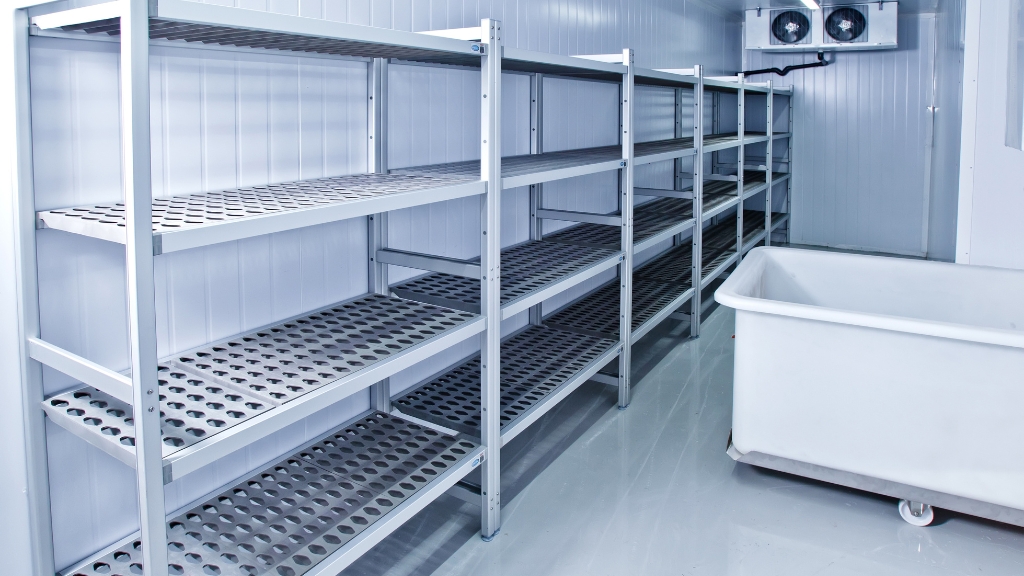
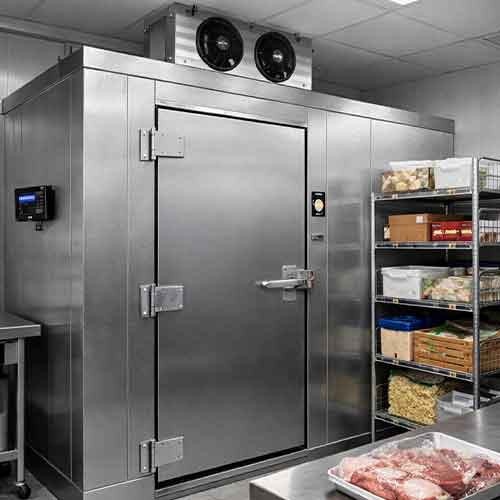
A cool room uses the same cycle on a larger scale. The evaporator unit sits inside the room, usually near the ceiling, while the condensing unit sits outside. Insulated panels and tight door seals then hold the cold in, so the system does not need to run as often.
To learn more about custom builds and repairs, see our cool rooms Adelaide page.
Does commercial refrigeration work harder in an Adelaide summer?
Yes. The condenser releases heat into the outside air, so it works best when that air is cooler. On hot days, the system needs more effort to reject heat, and the compressor runs for longer. Clean coils, good airflow around the condenser and shade where possible all help.
Can one faulty part damage the rest of the system?
It can. For example, a failing condenser fan makes the compressor run hotter and longer. Left unchecked, a small fault can turn into a costly compressor failure. That is why it pays to book a repair as soon as you notice a problem.
Need Help With Your Commercial Refrigeration?
Cool-Time looks after cool rooms, freezers, display fridges and cold storage for businesses across metro Adelaide. Whether you need a repair, a service plan or a new system, explore our commercial refrigeration Adelaide services or call 1300 266 584. We also offer 24/7 support for urgent breakdowns.