Find the cause before stock is damaged
Check the real product temperature, airflow and approved settings before a freezing problem disrupts your business.
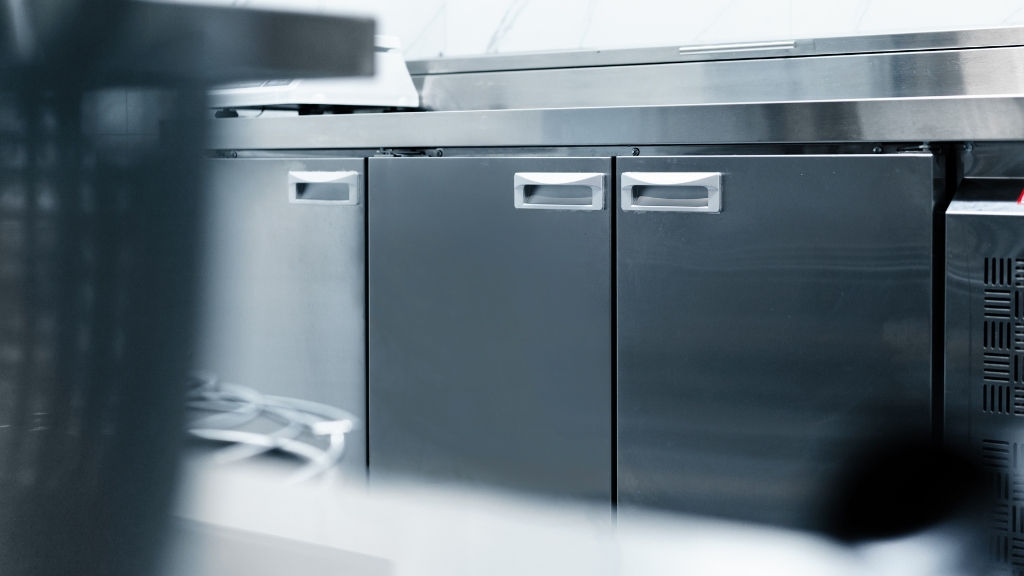
Why is my commercial refrigerator freezing? Stock can freeze when the approved temperature setting is too low for the product, cold air is concentrated around certain shelves, airflow is obstructed, or a thermostat, sensor, controller or defrost component is not operating correctly. The pattern matters. Products freezing in one position can point to an airflow or placement issue, while widespread or recurring freezing may need a qualified refrigeration technician to diagnose the controls and system.
Confirm what is freezing and where
Start by recording which products are affected and where they sit inside the cabinet. Note whether freezing is limited to the back wall, the area directly below an air outlet, one shelf or the whole refrigerator. This gives a technician more useful evidence than the phrase “the fridge is too cold”.
Check the actual product temperature with a suitable independent thermometer and compare it with the cabinet display. Record several readings during normal trading, including after deliveries and busy periods. A display value alone does not prove that every shelf or product is at the same temperature.
Common reasons a commercial fridge freezes stock
The set point is not suitable for the product
Confirm the approved operating range in the equipment manual. Avoid repeatedly changing the controller to chase the symptom. If the displayed setting is within the manufacturer’s range but products still freeze, record the difference and arrange an inspection.
Stock is blocking the normal airflow
Commercial refrigerators rely on air moving around the cabinet. Products packed tightly against internal walls, stacked above load lines or placed directly in front of an outlet can create uneven temperatures. Official commercial refrigeration guidance notes that poor internal airflow can leave some products too warm and others too cold. Follow the cabinet’s loading instructions and keep the specified clearances around fans and outlets.
A sensor or control is reading incorrectly
A damaged, displaced or poorly calibrated temperature sensor can cause the refrigeration system to run longer than intended. A controller, thermostat or relay fault may produce a similar symptom. These parts should be tested by a qualified technician rather than adjusted through trial and error.
Ice is affecting the evaporator or defrost cycle
Visible ice around the evaporator area, recurring frost, water inside the cabinet or a fan striking ice can indicate a defrost, drainage, airflow or door-seal problem. Do not remove guards, open electrical panels or chip ice from internal components. Record the symptom, protect the stock and arrange professional diagnosis.
The door is not closing or sealing consistently
A door held open, a damaged gasket or an uneven cabinet can allow warm, moist air into the unit and make temperatures unstable. Check that the door closes freely and look for obvious gasket damage or debris. If the gasket is torn, the door is misaligned or condensation keeps returning, book a repair.
Safe checks staff can make
- Check the model manual and confirm the approved set point and loading limits.
- Measure product temperatures with a suitable independent thermometer.
- Move products away from air outlets, fans and internal walls while preserving safe storage.
- Check that stock is not packed above a marked load line or blocking internal air movement.
- Make sure the door closes fully and inspect the gasket for visible damage or debris.
- Record error codes, unusual noises, recurring ice, water and the times when freezing occurs.
Stop at visual and operational checks. Refrigerant work, electrical testing, controller calibration and access behind guards require suitable qualifications and equipment.
Protect stock while you investigate
Potentially hazardous food held cold generally needs to be kept at 5°C or colder, unless the business can demonstrate a safe alternative system. Food Standards Australia New Zealand provides current temperature-control guidance for Australian food businesses.
If the cabinet is not maintaining a suitable and stable temperature, move affected stock to verified refrigeration where practical and follow your food safety procedures. Record the product temperature and relevant times. Freezing can also damage the texture, packaging or usability of products even when cold-storage requirements are otherwise met, so assess affected stock under your business procedures rather than guessing.
When to book commercial fridge repairs
Arrange a qualified inspection when freezing continues after the approved setting, loading and airflow have been checked, or when the display and measured product temperatures do not agree. Other reasons to seek help include recurring ice, a fan or compressor that appears to run continuously, error codes, water inside the cabinet, damaged controls or repeated temperature swings.
Before calling, note the make, model and serial number, the set point, recent temperature readings and where the affected stock was positioned. This helps the technician prepare for the site visit and assess the problem efficiently.
How Cool-Time can help
Cool-Time diagnoses, repairs and maintains commercial refrigeration for Adelaide businesses. If your cabinet is freezing stock or holding uneven temperatures, see our commercial fridge repairs service or contact Cool-Time with the equipment details and symptoms.
Frequently asked questions
Why does food freeze at the back of a commercial fridge?
Products may be too close to an internal wall or cold-air outlet, or the normal airflow may be obstructed. Reposition stock according to the manufacturer’s loading instructions. If freezing returns in the same area, have the airflow, sensor and controls inspected.
Should I turn the thermostat to a warmer setting?
First confirm the approved setting in the equipment manual and compare the display with an independent temperature reading. Do not make repeated or large adjustments. If the approved setting still produces frozen stock, the unit needs diagnosis rather than further guesswork.
Can an iced evaporator make product temperatures uneven?
Yes. Ice and restricted airflow can contribute to inconsistent cabinet temperatures. The cause may involve loading, air infiltration, drainage, defrost or another system fault. Avoid removing guards or damaging the coil, and ask a qualified technician to inspect recurring ice.
Is your commercial fridge freezing stock?
Tell Cool-Time the make, model, temperature readings and where the freezing occurs. Our team can assess the cabinet and recommend the next step.