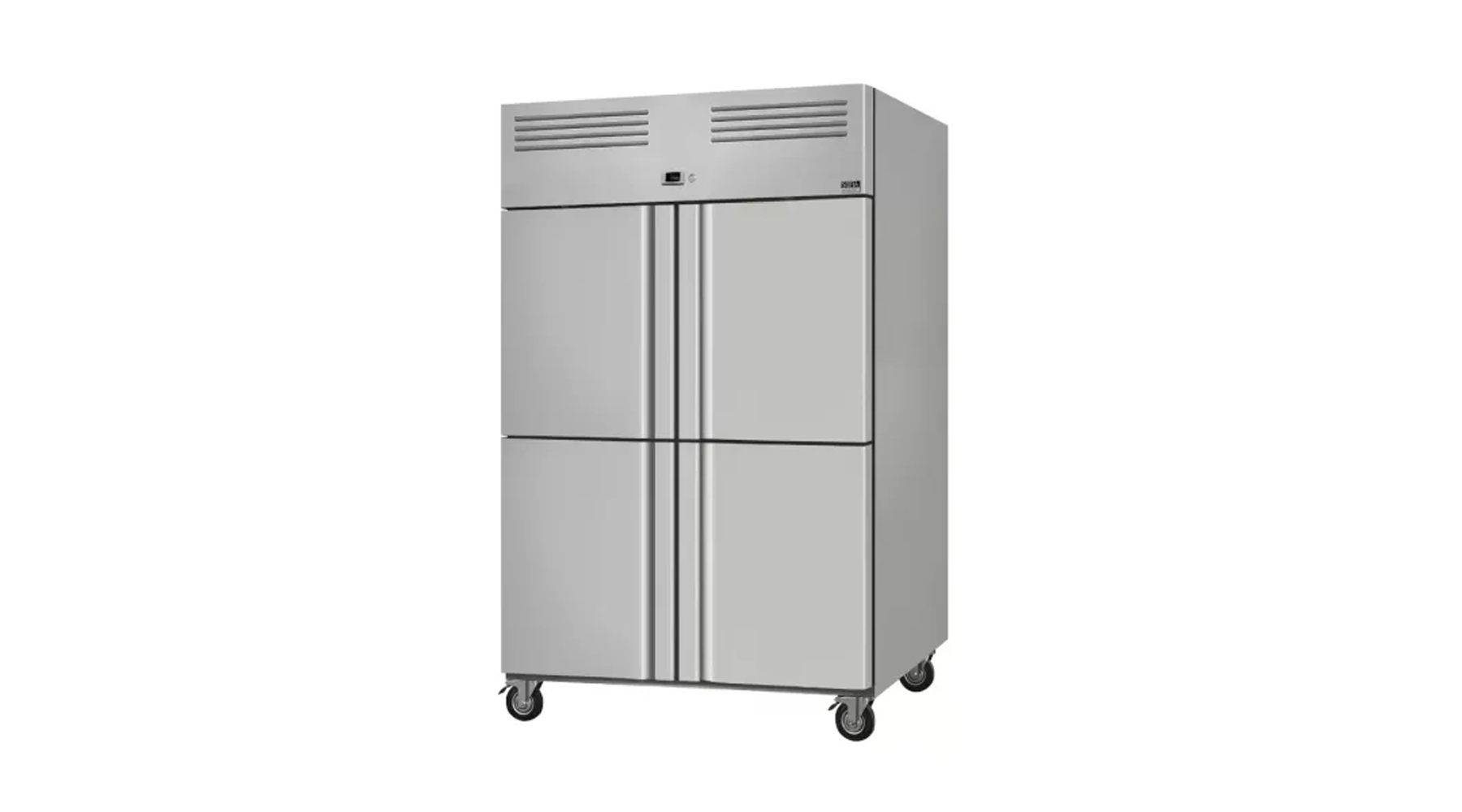
Whether you are opening a new venue, upgrading ageing equipment or expanding your cold-storage capacity, sourcing the right commercial refrigeration Adelaide solution requires more than browsing a product catalogue. The equipment you choose will affect your energy bills, your compliance obligations, your food safety outcomes and your operational uptime every single day.
This guide covers the key equipment types available across Adelaide, what to look for when comparing options, how energy efficiency affects your running costs, and the installation considerations that are often overlooked until they become expensive problems.
Types of Commercial Refrigeration Equipment Available in Adelaide
Adelaide’s commercial refrigeration market covers a wide spectrum of equipment configurations. Understanding the categories helps you match the right unit to your actual operational needs.
Upright Display Fridges
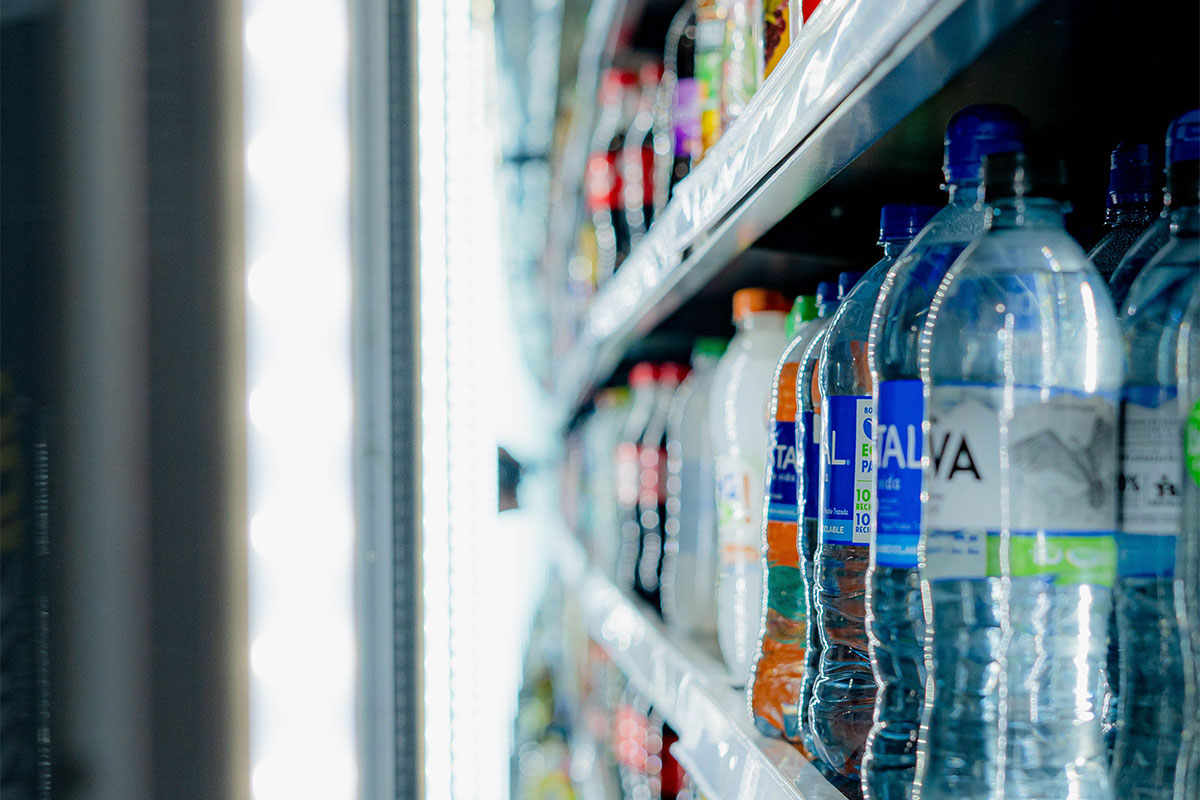
Used in cafes, delis, convenience stores and supermarkets for front-of-house product presentation. Available in single and multi-door configurations with either open-front or glass-door designs.
Underbench and Prep Fridges
Compact units designed for commercial kitchen bench-top setups, giving kitchen teams rapid access to frequently used ingredients without repeatedly opening upright storage units.
Cool Rooms and Freezer Rooms
Walk-in cold rooms are essential for venues with high-volume stock, catering operations, food distribution and warehousing. Panels, refrigeration units and evaporators are selected to match the room size and temperature requirements.
Ice Machines
Commercial ice makers range from countertop models for small bars to modular and underbench machines for high-output hospitality venues. Ice type (cube, flake, nugget) varies significantly by application.
Bar Refrigeration
Includes backbar fridges, bottle coolers and keg systems. These units need to handle heavy open-and-close cycles, often in hot kitchen-adjacent environments, which makes reliability and build quality especially important.
Remote and Centralised Systems
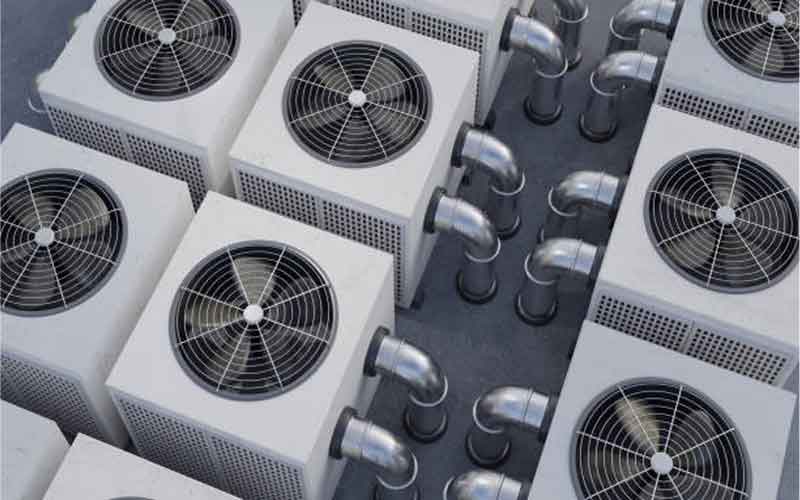
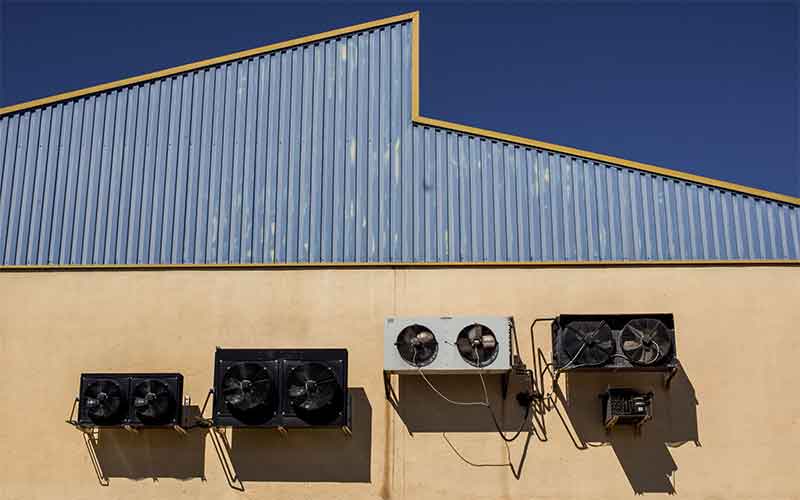
Larger retail and food service operations often use centralised refrigeration plant rooms with remote condensing units, reducing noise and heat load inside the trading floor while simplifying maintenance access.
What to Consider When Buying Commercial Refrigeration Equipment
The product specifications on a data sheet rarely tell the full story. These are the factors that Adelaide buyers most commonly overlook.
Ambient Temperature Rating
Adelaide summers regularly push ambient temperatures beyond 40 degrees Celsius. Many commercial fridges are rated to operate in ambient conditions up to 32 or 38 degrees. In kitchens or outdoor areas that exceed these thresholds, units can overheat and fail. Always confirm the climate class rating for your installation environment before purchasing.
Capacity vs. Footprint
Buyers often prioritise internal volume without accounting for external dimensions in relation to their kitchen or cool room layout. Measure your space carefully, including ceiling height, door swing clearance and ventilation requirements before committing to a unit.
Refrigerant Type
Australian refrigerant regulations are tightening. Newer units using lower-GWP refrigerants such as R290 or R600a are better positioned for long-term compliance and carry lower running costs. Confirm the refrigerant type and your technician’s handling licence covers it before installation.
Service and Parts Availability
Cheaper imported units can be difficult and expensive to service in Adelaide. Prioritise brands with local parts distribution and technicians who are familiar with the product range. Downtime cost for a commercial kitchen far exceeds any initial saving on the purchase price.
Energy Efficiency and Running Costs
Commercial refrigeration runs continuously, 24 hours a day, every day of the year. That means even small differences in energy efficiency compound significantly over the lifetime of the equipment. For Adelaide businesses facing rising electricity tariffs, this is a line item worth scrutinising carefully.
Key Efficiency Factors to Compare
Energy Star rating or equivalent: Always request the annual energy consumption figure in kWh and compare it across shortlisted models at the same capacity.
ECM fan motors: Electronically commutated motors use significantly less energy than standard shaded-pole motors and are now standard on quality commercial units.
Night curtains and door seals: Open-front display cases lose significant cold air overnight. Night curtains can reduce energy consumption during closed hours by up to 40 percent.
LED lighting: Internal LED lighting produces less heat than older fluorescent or incandescent options, reducing the cooling load the compressor must overcome.
Beyond the equipment itself, regular servicing is the single most effective way to maintain efficiency over time. Dirty condenser coils, blocked drain lines and low refrigerant levels all increase the energy a unit draws to maintain temperature. A well-maintained commercial fridge performs consistently from year one to year fifteen.
Installation and Fitout Considerations for Adelaide Businesses
Purchasing a commercial refrigeration unit is only half the equation. Professional commercial refrigeration installation Adelaide ensures your equipment operates safely, efficiently and in compliance with Australian standards from day one.
Electrical Requirements
Many commercial refrigeration units require dedicated circuits. Before delivery, confirm your switchboard has the capacity to handle the additional load and that a licensed electrician has reviewed the installation site.
Ventilation Clearances
Refrigeration condensers reject heat and need adequate airflow around the unit. Undersized or obstructed ventilation raises ambient temperature around the condenser, reducing efficiency and shortening compressor life significantly.
Drainage Planning
Condensation drain lines need to be routed to an appropriate waste point. Poorly planned drainage leads to water pooling under equipment, which creates hygiene issues and can damage flooring in food preparation areas.
Council and Compliance Approval
Cool room construction and refrigerant handling in South Australia must comply with relevant building and safety codes. Using a licensed refrigeration contractor ensures your installation meets all documentation and permit requirements from the outset.
New vs. Used Commercial Refrigeration Equipment: What’s Right for Your Business?
The second-hand commercial refrigeration market in Adelaide is active, particularly after venue closures. Used equipment can represent genuine value, but it carries risks that new equipment does not.
New Equipment
Full manufacturer warranty and parts support
Latest energy efficiency ratings and refrigerant compliance
Predictable maintenance schedule from a known start point
Higher upfront cost, but lower total cost of ownership over the asset life
Used Equipment
Lower upfront investment can suit tight opening budgets
Condition and service history are rarely fully documented
May use older refrigerants that are becoming harder to source
Should always be inspected and pressure-tested by a licensed technician before purchase
If you are considering used equipment, have a licensed refrigeration technician inspect it before purchase. A pre-buy assessment can identify refrigerant leaks, compressor wear, electrical faults and coil damage that are not visible to the untrained eye, potentially saving you thousands in early repair costs.
Frequently Asked Questions