Asset Protection
Properly sized refrigeration systems eliminate temperature fluctuations and safeguard high-value commercial stock against sudden spoilage.
Energy Efficiency
Installing high-grade thermal insulation reduces daily compressor load and significantly lowers your long-term operational power costs.
What Is Cool Room Installation?
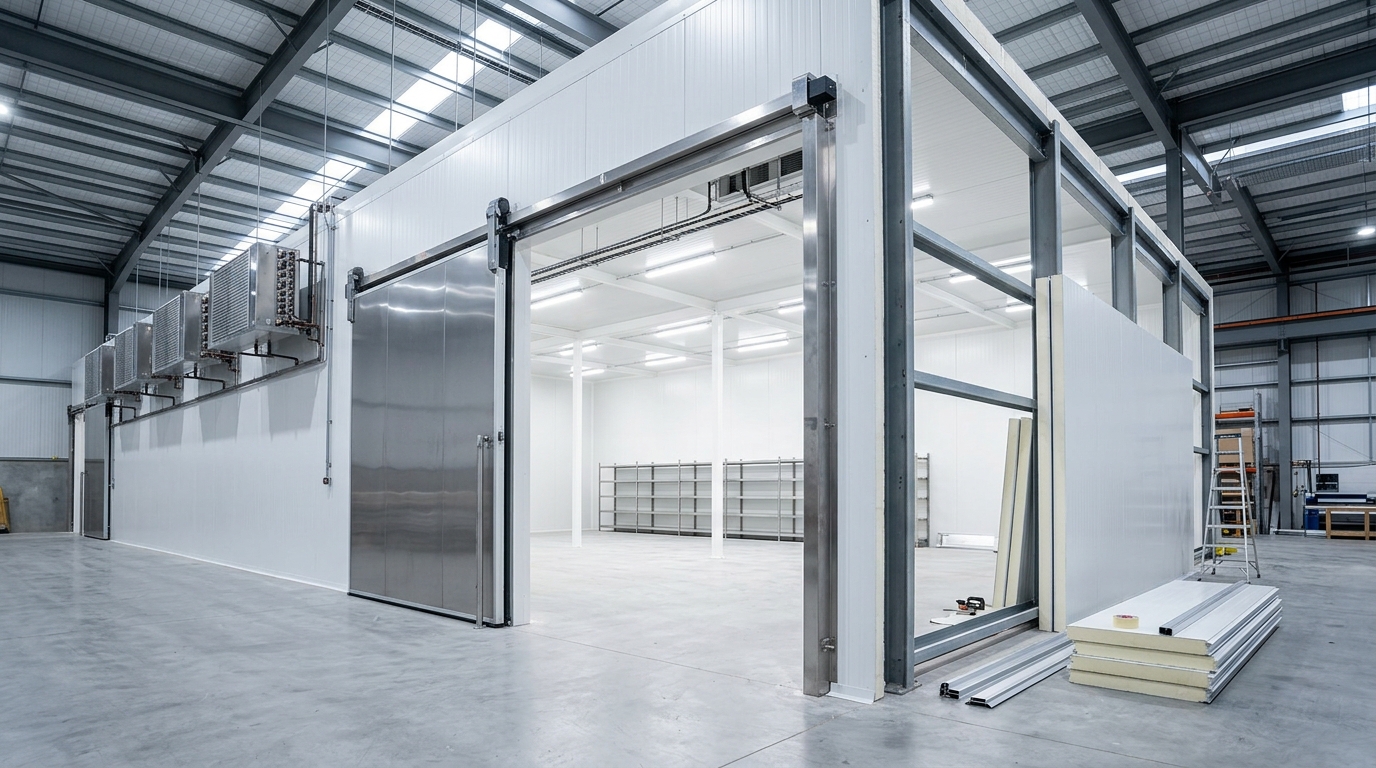
Cool room installation is the systematic process of designing and constructing a temperature-controlled commercial storage space. It involves precise thermal load calculations, selecting high-grade polyurethane insulation panels, and fitting the correct refrigeration plant to maintain consistent temperatures for perishable goods safely.
Every modern business handling perishable inventory requires absolute reliability in temperature control. Building a commercial cold storage facility is not simply about assembling insulated boxes. It requires detailed mechanical engineering to ensure the enclosed space can handle specific stock volumes without overworking the condensing unit.
Getting the initial system design right prevents critical hardware failures down the line. A professional cool room installation ensures that all thermodynamic components operate harmoniously under peak commercial demands. This strategic approach directly lowers maintenance frequency and protects the operational bottom line.
Why Poor Planning Costs Thousands
Many businesses suffer severe financial losses due to undersized refrigeration units and inadequate panel insulation during the initial cool room installation. These upfront errors cause excessive energy consumption, frequent system breakdowns, and catastrophic stock spoilage during peak summer conditions.
When commercial operators rush the planning phase, they often select off-the-shelf cooling units that cannot handle their facility’s specific turnover rates. Opening the main door frequently introduces warm ambient air, which forces an undersized compressor to run continuously to recover the lost temperature. This relentless mechanical mechanism inevitably leads to premature component failure and exorbitant monthly energy bills.
The financial implication of a failing cooling system extends far beyond emergency repair invoices. Losing a weekend’s worth of high-value perishable stock instantly destroys profit margins and permanently damages your commercial reputation. You must book a consultation before committing to any cold storage construction to verify your exact thermodynamic load requirements.
Critical Design Failures To Avoid
Avoid these common industrial pitfalls when commissioning your commercial cold storage facility:
Major Risk Factors
- Incorrect Thermal Calculation: Failing to account for warm product entry temperatures severely overworks the cooling system.
- Poor Seal Integrity: Substandard panel jointing allows ambient moisture ingress, causing thick ice buildup on the evaporator coils.
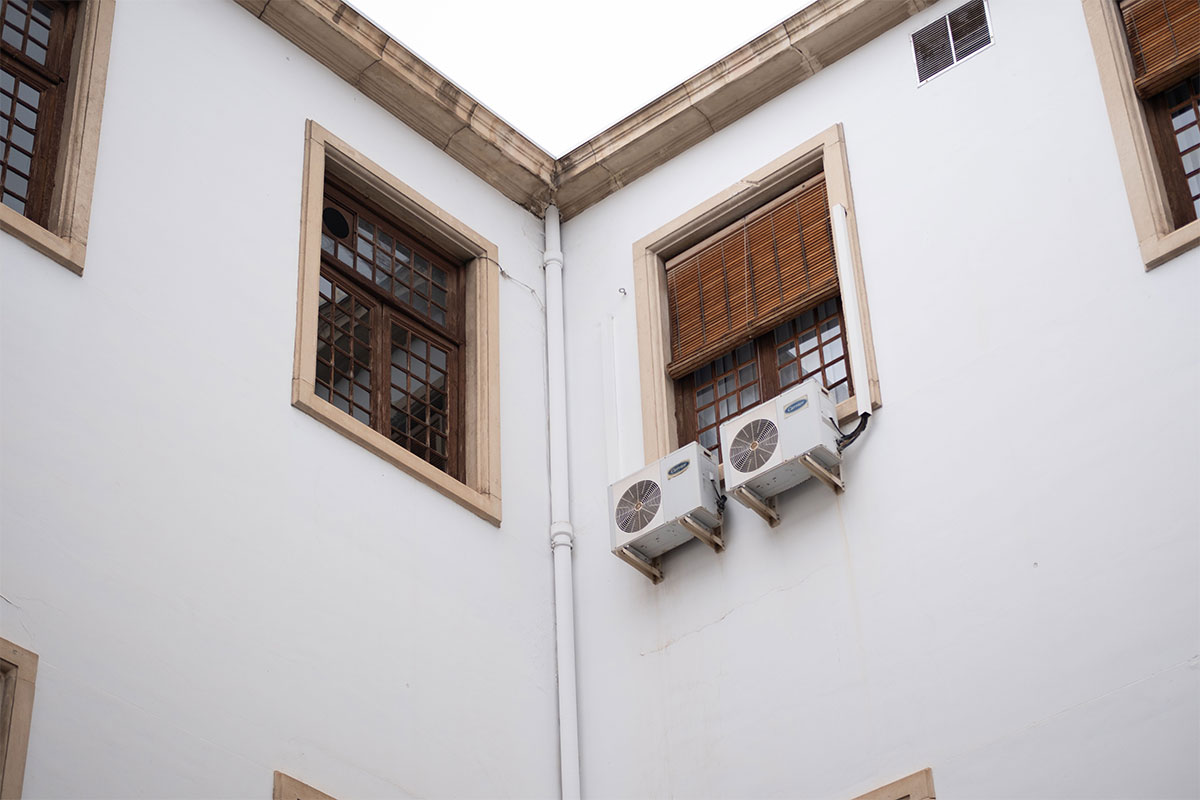
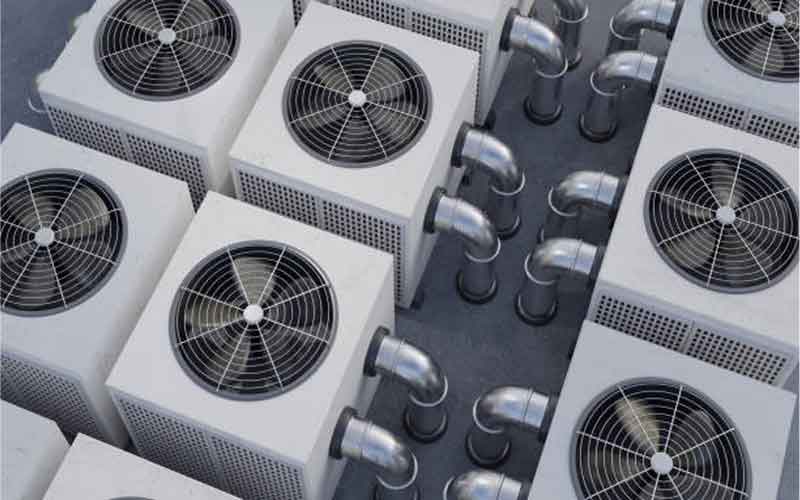
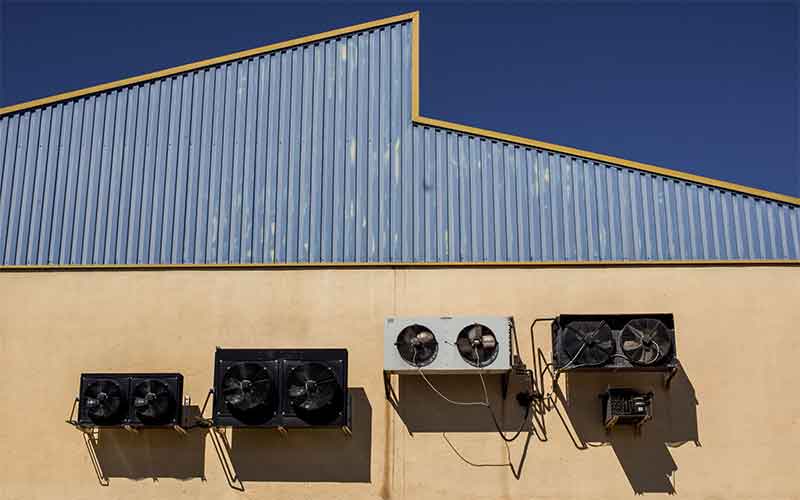
- Inadequate Unit Ventilation: Placing condensing units in restricted airspaces reduces heat rejection efficiency and causes rapid compressor overheating.
How Cool-Time Executes Flawless Installations
Cool-Time Refrigeration and Air-Conditioning delivers custom cool room installation services focused on absolute long-term reliability. We engineer each commercial build based on precise load calculations, ensuring your cooling system handles high traffic without excessive electrical power draw.
Our technical process begins with an in-depth site assessment to clearly understand your daily operational workflow. We measure exact spatial constraints, evaluate phase power availability, and determine the volume of stock you process through the facility. This rigorous data collection allows us to specify the correct compressor and evaporator pairing specifically required for your premises.
We exclusively use premium insulation panels and robust refrigeration hardware designed to withstand harsh Australian operating conditions. By focusing on tight thermal envelopes and highly efficient airflow dynamics, our systems effortlessly maintain strict temperature tolerances. You can discover more about optimising your commercial space by reading our cool room installation service insights.
A professionally constructed cold room heavily protects your active inventory while delivering an excellent return on capital investment. Efficiently balanced systems naturally require less routine maintenance, draw significantly less electricity, and offer decades of dependable industrial service.
Maximising Your ROI
Investing in proper initial sizing eliminates the costly need for premature equipment upgrades. A perfectly balanced system runs much shorter cooling cycles, which drastically extends the operational lifespan of expensive mechanical components.
Frequently Asked Questions
How long does a commercial cool room installation take?
Installation timeframes vary significantly based on the room’s overall dimensions and particular site complexities. A standard modular cool room installation can often be successfully completed within a few days, provided the site is fully prepared and structural power connections are accessible.
Larger, custom-built industrial facilities inherently require phased construction methodologies. This intensive process includes panel erection, electrical routing, mechanical fitting, and rigorous pressure testing before the final commissioning ensures absolute temperature stability.
Do you need council approval for a new cool room?
In many Australian commercial settings, building a large-scale cold storage facility absolutely requires specific local council building approvals. This is especially true if the construction alters the building’s structural footprint or involves external condensing units that impact local acoustic noise regulations.
It is highly vital to consult with relevant municipal authorities early in the planning phase. Proactively addressing compliance issues upfront prevents incredibly costly delays and ensures your new commercial asset meets all workplace safety and environmental standards.
What insulation thickness is required for a cool room?
The appropriate panel thickness depends entirely on the target internal operating temperature and external ambient conditions. Standard commercial chiller rooms operating safely above zero degrees typically utilise 75mm to 100mm polyurethane panels to maintain highly efficient thermal barriers.
For commercial deep freezers operating at minus 18 degrees or lower, substantially thicker insulation of at least 150mm is strictly necessary. Upgrading your panel insulation specification during the cool room installation directly reduces the continuous electrical load placed on your refrigeration plant.
Protecting your commercial inventory starts with precise mechanical engineering and uncompromised quality construction. A highly efficient cold storage facility secures your profit margins by radically reducing stock loss and keeping ongoing operational utility costs strictly under control. Trusting seasoned commercial professionals ensures your cooling system performs reliably through the toughest Australian summer conditions.
If your operational business requires a dependable cooling solution, it is time to contact our team for an expert site assessment. We will meticulously help you design and build a robust facility perfectly tailored to your exact commercial requirements.